
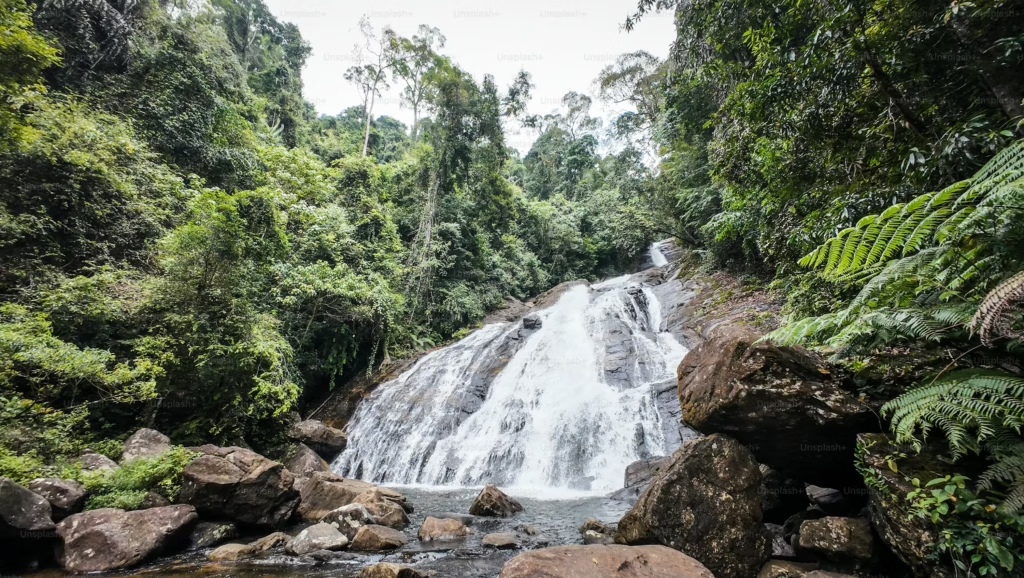
Sinharaja Forest Waterfall Swimming and Watching Tours
If the canopy is the forest’s emerald roof, then its waterfalls are its beating heart. While the dense jungle keeps its secrets in the shadows, a Sinharaja Waterfall Tour leads you to the light—where the “Veins of the Forest” spill over ancient rock faces into crystal-clear, icy basins.
With over a dozen hidden cascades tucked within its borders, Sinharaja offers a rare chance to swim in water that has been filtered by miles of untouched rainforest roots, long before it ever reaches a pipe or a plastic bottle.
🌊 The “Liquid Gold” of Sinharaja
Out of the many hidden gems, these three are the crown jewels of any trekking itinerary:
- Duwili Ella (The Dust Fall): True to its name, this waterfall breaks into a fine mist before hitting the pool, creating a permanent rainbow in the sunlight. It is a visual masterpiece but requires a steady hike to reach.
- Uran Wetuna Ella: Named after the wild boars that supposedly frequented the area, this fall features a wide, tiered drop. The base pool is relatively shallow, making it a favorite for those who want to lounge rather than laps.
- Pathan Oya Ella: A hidden giant. This waterfall is characterized by its powerful flow and the deep, turquoise pool at its base. It is the ultimate reward after a humid trek through the Pitadeniya entrance.
🏊 The “Wild Spa” Experience
One of the most magical aspects of swimming in Sinharaja is the Natural Fish Spa. If you sit still in the shallower rock pools, the local “Gal Pando” (stone-suckers) and small river barbs will gently nibble at your feet—a free, organic exfoliation courtesy of Mother Nature.
Note for 2026 Travelers: The water remains a constant 18°C to 20°C. It may feel bracing at first, but it is the perfect antidote to the 90% humidity of the forest trek.
☀️ The Best Time for a Dip
Rainforest weather is unpredictable, but timing your swim is key to safety and clarity.
- Optimal Window: 11:00 AM to 3:00 PM. The sun is high enough to pierce through the canopy, illuminating the underwater rock formations and warming the surface of the pools.
- The “Flash Flood” Rule: If it has been raining heavily for more than two hours, skip the swim. Water levels in Sinharaja can rise with terrifying speed, and the clear water can turn “tea-brown” with silt, hiding submerged rocks and logs.
📍 Which Entrance Should You Choose?
The waterfall experience varies significantly depending on which gate you enter:
| Feature | Kudawa Entrance (North) | Pitadeniya/Deniyaya (South) |
| Primary Falls | Kikilla Falls, Mulawella | Duwili Ella, Pathan Oya |
| Vibe | Easier walks, family-friendly | Rugged, adventurous, deep jungle |
| Swimming | Small rock pools | Massive, deep basins |
| Crowds | Can be busier on weekends | Very secluded and quiet |
📸 Photography Tips for Falling Water
Capturing waterfalls in a dark forest is a challenge of light and motion.
- The “Silk” Effect: If you have a tripod (or a steady rock), use a slow shutter speed (1/2 to 2 seconds) to make the water look like flowing silk.
- Polarizing Filters: These are essential for 2026 photographers. They cut the glare off the wet rocks and allow the camera to see the vibrant greens and blues beneath the water’s surface.
- Protect Your Gear: The mist near Duwili Ella is relentless. Keep a microfiber cloth handy and use a waterproof “dry bag” for your phone and extra lenses during the trek.
🛡️ Survival Tips for the Falls
- The “No-Soap” Rule: To protect the endemic fish and amphibians, the use of shampoos, soaps, or detergents in the forest streams is strictly prohibited. Let the pure water do the work!
- Beware of Slippery Slopes: The rocks in Sinharaja are covered in a fine layer of algae. Always test a rock with your foot before committing your full weight.
- The Post-Swim Leech Check: Waterfalls are humid hotspots for leeches. After you dry off and get dressed, do a thorough check of your ankles and waistline before heading back on the trail.